

Stylish and Durable Water-Resistant Flooring Options
- Dillon Duffina
- Sep 1, 2025
- 4 min read

Choosing the right flooring is essential for any space, especially when durability and water resistance are priorities. Whether you are renovating a kitchen, bathroom, or basement, selecting flooring that can withstand moisture while maintaining style is crucial. This guide explores various durable waterproof flooring options that combine aesthetics with functionality, helping you make an informed decision for your home or commercial space.
Understanding Durable Waterproof Flooring
Durable waterproof flooring refers to materials designed to resist water penetration and damage while enduring daily wear and tear. These floors are ideal for areas prone to spills, humidity, or occasional flooding. When selecting such flooring, consider factors like:
Material composition: Some materials naturally repel water, while others require special coatings.
Installation method: Proper installation ensures water does not seep underneath.
Maintenance needs: Easy-to-clean floors save time and effort.
Aesthetic appeal: Flooring should complement your interior design.
Popular choices include vinyl, tile, engineered wood, and laminate with waterproof features. Each has unique benefits and drawbacks, which we will explore in detail.

Top Durable Waterproof Flooring Materials
Vinyl Flooring
Vinyl is one of the most popular waterproof flooring options due to its affordability, durability, and water resistance. It comes in sheets, tiles, or planks and can mimic the look of wood, stone, or ceramic.
Advantages:
- 100% waterproof
- Soft underfoot and warm
- Easy to install and maintain
Best for: Bathrooms, kitchens, laundry rooms, and basements
Porcelain and Ceramic Tiles
Tiles are naturally water-resistant and extremely durable. Porcelain tiles, in particular, have a low water absorption rate, making them ideal for wet areas.
Advantages:
- Highly durable and scratch-resistant
- Wide variety of styles and colors
- Easy to clean and maintain
Best for: Bathrooms, kitchens, entryways, and outdoor patios
Engineered Hardwood with Waterproof Coating
Engineered hardwood offers the beauty of real wood with enhanced moisture resistance. It consists of a hardwood veneer over plywood layers, which adds stability.
Advantages:
- Authentic wood appearance
- More water-resistant than solid hardwood
- Can be refinished once or twice
Best for: Living rooms, kitchens, and areas with moderate moisture
Waterproof Laminate Flooring
Laminate flooring traditionally struggles with water exposure, but newer waterproof versions have emerged. These products use special cores and coatings to prevent water damage.
Advantages:
- Affordable and stylish
- Easy to install with click-lock systems
- Resistant to scratches and stains
Best for: Kitchens, basements, and low-moisture bathrooms

Is there a truly waterproof laminate flooring?
Laminate flooring has long been criticized for its vulnerability to water damage. However, recent innovations have introduced truly waterproof laminate flooring options. These products feature:
Waterproof cores made from high-density fiberboard or composite materials that do not swell when wet.
Protective top layers that repel water and resist stains.
Tight locking systems that prevent water from seeping between planks.
Brands offering these laminates often market them as suitable for kitchens, bathrooms, and basements. While they are not entirely impervious to standing water for extended periods, they perform significantly better than traditional laminate.
When choosing waterproof laminate, look for certifications and warranties that guarantee water resistance. Proper installation and sealing of edges are also critical to maximize durability.
Installation Tips for Long-Lasting Waterproof Floors
Proper installation is key to ensuring your flooring remains durable and water-resistant. Here are some practical tips:
Prepare the subfloor: Ensure it is clean, dry, and level before installation.
Use moisture barriers: For areas prone to moisture, install vapor barriers or underlayments designed to block water.
Seal edges and seams: Use waterproof sealants around edges, especially near walls and fixtures.
Follow manufacturer guidelines: Each flooring type has specific installation instructions that affect performance.
Hire professionals if unsure: Expert installation can prevent costly mistakes and extend the life of your floor.
Regular maintenance, such as promptly cleaning spills and avoiding harsh chemicals, will also help preserve your flooring’s waterproof qualities.
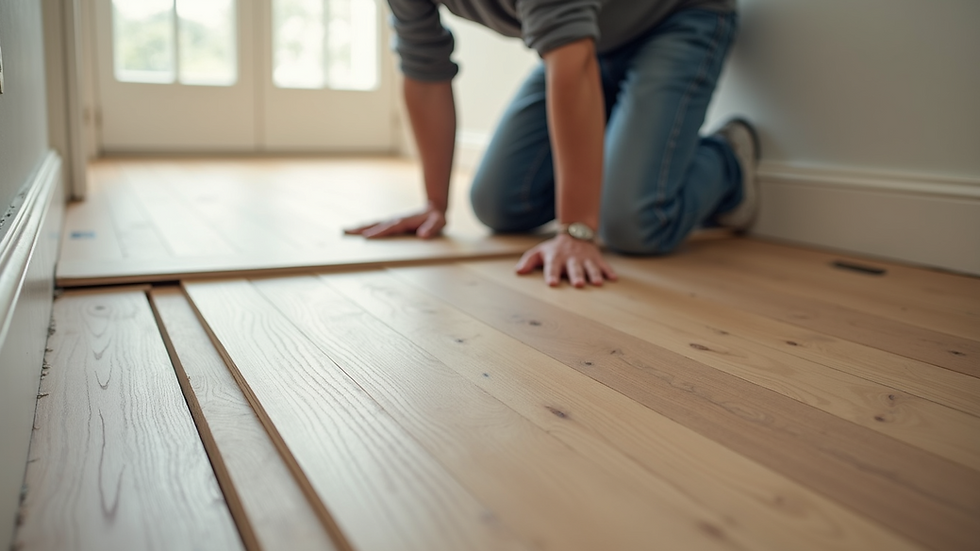
Enhancing Your Space with Stylish Waterproof Flooring
Waterproof floors no longer mean sacrificing style for function. Today’s options offer a wide range of designs, textures, and colors to suit any décor. Here are some ideas to enhance your space:
Mix and match materials: Combine tile and vinyl or laminate to create unique patterns or zones.
Choose natural looks: Wood-look vinyl or laminate can add warmth without the worry of water damage.
Use bold colors or patterns: Waterproof tiles come in vibrant hues and intricate designs to make a statement.
Add rugs and mats: Complement your flooring with washable rugs that add comfort and style.
By selecting the right durable waterproof flooring, you can enjoy both beauty and practicality in your home or workspace.
For more information on maintaining and selecting the best water resistant floors, visit the linked resource.
Making the Right Choice for Your Needs
When deciding on durable waterproof flooring, consider your lifestyle, budget, and the specific demands of each room. Vinyl and tile are excellent for high-moisture areas, while engineered hardwood and waterproof laminate offer a balance of style and function for moderate moisture zones.
Remember to:
Assess the level of water exposure expected.
Factor in foot traffic and wear.
Prioritize ease of cleaning and maintenance.
Choose a reputable brand with good warranties.
With the right flooring, you can protect your investment and enjoy a beautiful, functional space for years to come.


Comments